Motorsport
Formula 1's Next Rulebook Is About the Racing, Not Just the Cars
New regulations aim to make overtaking easier and the field closer. The real test will be whether the racing improves or the advantage simply moves elsewhere.
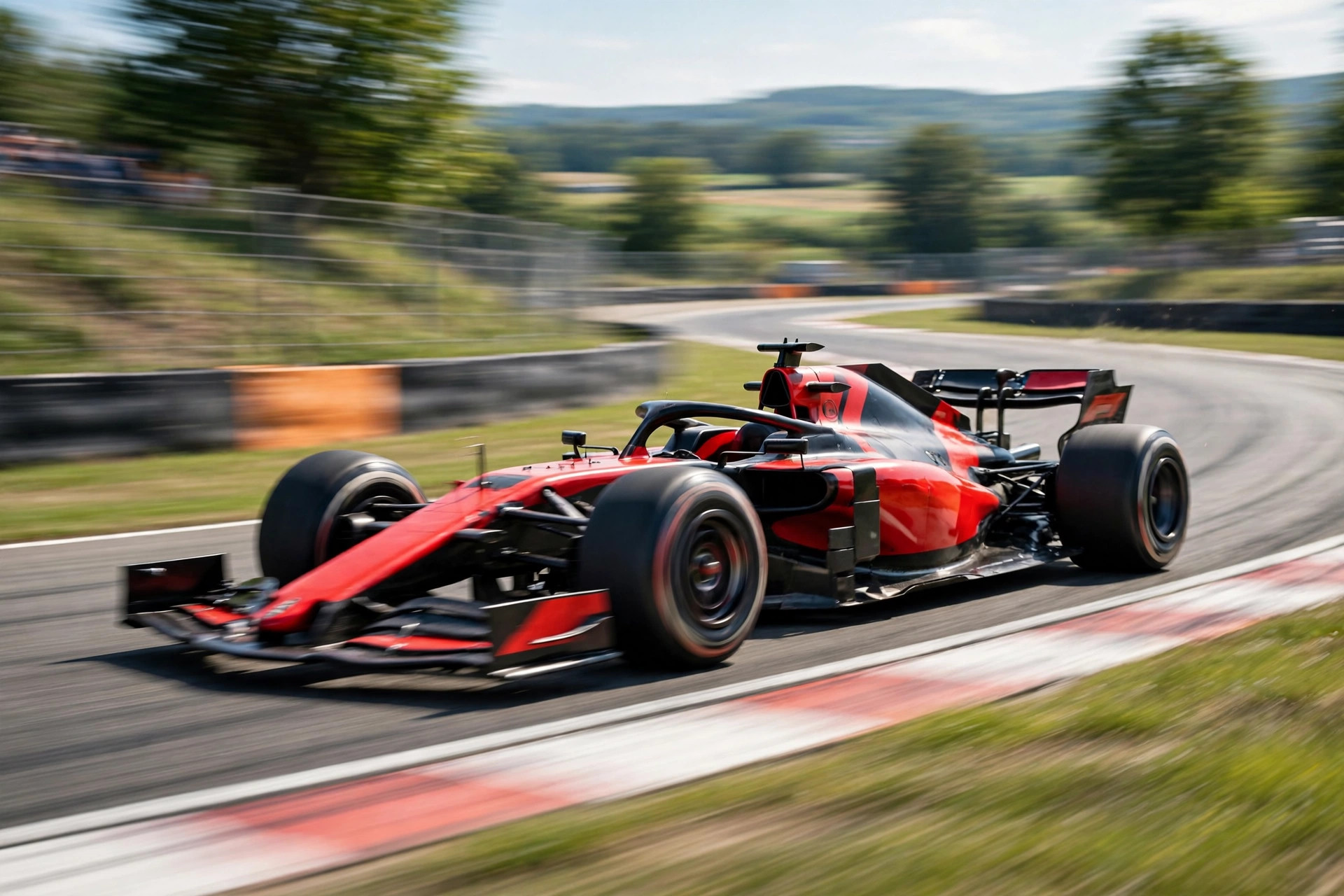
Every few years, Formula 1 rewrites its rules, and every time the promise is the same: closer racing, more overtaking, a fairer fight. The next set of regulations follows the pattern, with changes to aerodynamics, power units and car dimensions all aimed at letting cars follow each other more closely through corners. The intention is clear. Whether it works is a question that will only be answered on track.
The core problem the rules are trying to solve is well understood. A modern Formula 1 car generates enormous downforce, but much of it comes from airflow that is disturbed behind the car. The following car loses grip, its tyres overheat, and the driver is forced to drop back. Races become processions, with the field spread out and overtaking limited to the straights. The new rules try to shift downforce generation in ways that produce cleaner air for the car behind.
Rule changes also redistribute advantage. The teams that adapt fastest to a new rulebook usually dominate the first seasons under it, while others spend years catching up. That is the paradox of regulation in Formula 1: rules written to close the field often open it up first, as the best-funded and best-organised teams find the gains quickest. The history of the sport is full of eras defined by a single team's mastery of a new set of rules.
Cost controls add another layer. Spending limits now constrain how much teams can invest in development, which changes the calculation. A team can no longer simply outspend its rivals to solve a new regulation; it has to choose where to spend. That makes the early decisions under a new rulebook more consequential than ever, because a wrong direction can cost a season that the budget cannot buy back.
For fans, the hope is straightforward: more cars fighting for the same piece of track, more overtakes that are earned rather than gifted by straight-line speed, and a championship that stays open deep into the season. The rules can only create the conditions for that. The racing itself still depends on drivers willing to take risks and teams willing to let them. The new rulebook is a fresh start, and in Formula 1, fresh starts are when the sport is at its most interesting.