Football
Grassroots Football Is Where the Next Generation Starts
Before the academies, the contracts and the crowds, there is a park pitch and a volunteer coach. The grassroots game is the foundation the whole sport stands on.
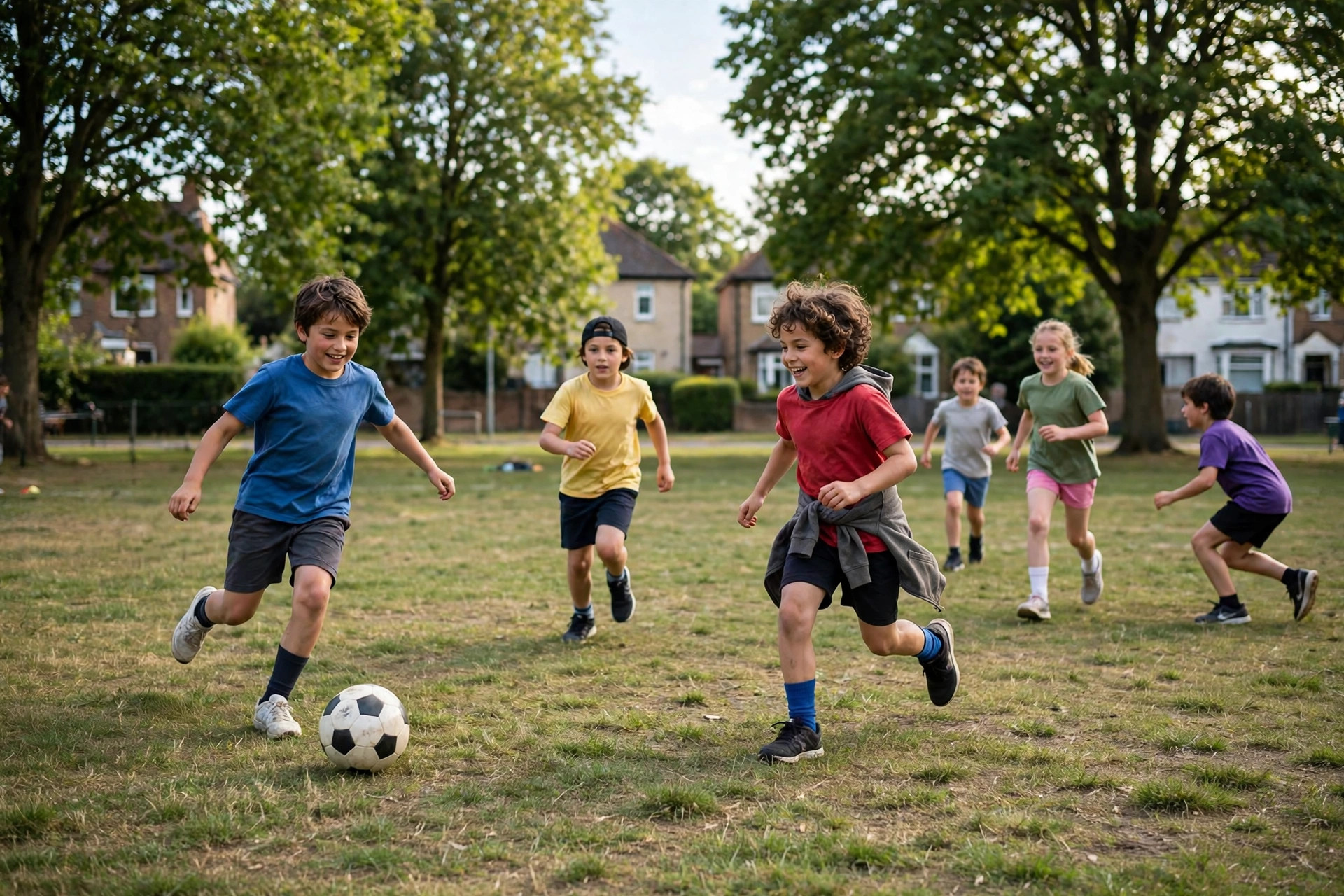
Every professional footballer started somewhere unremarkable: a park pitch, a school playground, a Sunday league team run by a parent with a bag of bibs. The grassroots game is the largest part of football by far, involving millions of players, coaches and volunteers, and it is the foundation on which everything above it stands. Without it, there are no academies, no stars and no sport.
The people who keep it going are mostly unpaid. Volunteer coaches give up their evenings and weekends, groundskeepers maintain pitches on small budgets, and parents drive children to matches in all weather. It is a world away from the money at the top of the game, and it runs on goodwill. Surveys of grassroots clubs consistently show the same pressures: too few volunteers, pitches that need investment, and costs that keep rising for families.
The rewards, though, are measured differently. For children, grassroots football is often the first experience of being part of a team, of winning and losing together, and of turning up for other people. Coaches describe their job as less about tactics than about confidence: helping a shy child find their voice, or a restless one find focus. The sport's governing bodies have begun to recognise this, funding coaching courses and safeguarding training so that the volunteers are better supported than they were.
There is also a practical argument for investment. The professional game depends on a wide base: the broader the pool of children playing, the more likely the exceptional ones are found. Countries with strong grassroots structures consistently produce more professional players, and they also produce more lifelong supporters. Every child who plays is a future fan, and every future fan is the reason the professional game can fill stadiums.
The challenge is keeping the game affordable and accessible as costs rise. Pitch fees, kit and travel add up, and in some areas participation is falling among families who cannot afford them. Clubs and charities have responded with free sessions, kit exchanges and subsidised places, but the gap remains. The grassroots game does not need the money of the professional game. It needs enough of it, spent in the right places, to keep the pitches open for the next generation.